
Comfortable Fishing Gear for Summer: 7 Essentials
Table of Contents
- Why Comfortable Fishing Gear Matters in Summer Heat
- UPF Fishing Shirts: Your First Line of Defense
- Short-Sleeve vs. Long-Sleeve Performance Shirts
- Lightweight Fishing Pants for Hot Weather
- Head and Neck Coverage: Hats and Gaiters
- How to Stay Cool While Fishing All Day
- Summer Fishing Gear Checklist: Head to Toe
- Caring for Your Gear: Salt, Sweat, and Durability
- Frequently Asked Questions
Last Updated: October 13, 2026
Why Comfortable Fishing Gear Matters in Summer Heat
In summer, comfort keeps you fishing instead of heading back to shore. Heat exhaustion, dehydration, and sun exposure cut trips short and create real health risks.
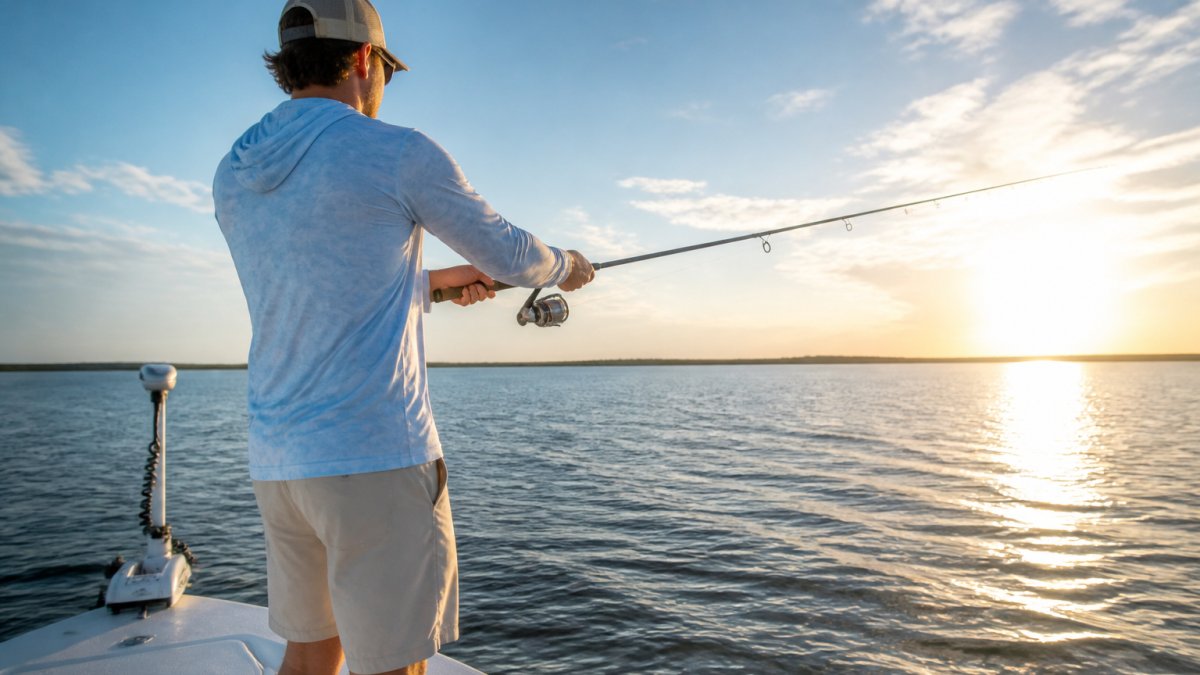
Summer conditions work against your body: intense UV rays, high humidity, salt spray, and deck heat that can exceed 140°F. Cotton absorbs sweat and holds moisture against your skin, and regular clothing offers little sun protection.
The right gear does three things: protects your skin from UV damage, pulls sweat away to keep you cool, and holds up to salt, sun, and constant wear.
UPF Fishing Shirts: Your First Line of Defense
A quality UPF fishing shirt is the foundation of your summer setup. UPF (Ultraviolet Protection Factor) measures how much UV radiation a fabric blocks. A UPF 44+ shirt blocks roughly 98% of the sun's ultraviolet rays, compared to regular cotton which offers almost no protection. Cumulative sun exposure on the water accelerates skin damage, and reflection off water intensifies UV rays even on cloudy days.
What UPF 44+ Protection Actually Does
UPF 44+ protection means the fabric shields the skin it covers from harmful UV radiation. Unlike sunscreen, which needs reapplication every two hours and washes off with sweat, UPF protection is built into the fiber itself. It doesn't degrade through the day and works even when you're soaked, critical for anglers spending 8-12 hours on the water.
The protection comes from the fabric's tight weave and material composition. Polyester reflects more UV light than cotton, and a 4 oz. polyester construction can deliver 44+ UPF when the knit is tight enough. Cheap knockoffs often fail because loose weaves let UV pass through.
Moisture-Wicking vs. Regular Cotton
Moisture-wicking fabric pulls sweat to the outer surface where it evaporates. Cotton does the opposite, holding moisture against your body and keeping you wet and hot. On a 90-degree day with 80% humidity, that's the gap between tolerable and miserable.
Performance polyester uses fibers designed to move liquid away from your skin, so you stay dry longer, your body temperature stays lower, and you avoid the clammy feeling that leads to chafing. When you're casting all day, that comfort translates into focus and endurance.
Short-Sleeve vs. Long-Sleeve Performance Shirts
This depends on your sun tolerance and fishing style. Short-sleeve shirts offer maximum ventilation and mobility, keeping your arms coolest with full range of motion for casting. They suit anglers who apply sunscreen regularly.
Long-sleeve performance shirts provide complete arm coverage, eliminating sunscreen on your forearms and shoulders. They're slightly warmer, but lightweight polyester minimizes the difference.

The SaltyGrown Men's Short Sleeve Performance Shirt delivers 44+ UPF protection in a lightweight 4 oz. polyester that breathes easy. At $30, it's built on a cooling performance platform designed specifically for active days on the water.
For maximum coverage without the heat penalty, the SaltyGrown Men's Long Sleeve Performance Shirt ($35) extends protection to your entire arms. Same UPF 44+ rating, same moisture-wicking technology, same durable construction.

Lightweight Fishing Pants for Hot Weather
Your legs need protection too. Jeans are a disaster on the water: heavy, hot, and they absorb salt water and sweat. Lightweight fishing pants use breathable, quick-drying fabrics that don't trap heat or moisture.
Look for nylon or polyester blends with a loose, athletic fit, avoiding tight fits that restrict movement and trap heat. The best fishing pants wick moisture like performance shirts, dry quickly after spray or rain, and include reinforced seams and salt-resistant treatments that prevent discoloration and degradation.
The key difference from regular athletic wear is durability. Fishing pants must withstand rough surfaces, boat decks, rocks, and tackle boxes. Reinforced pocket construction and double-stitched seams prevent tears that would ruin a trip.
Head and Neck Coverage: Hats and Gaiters
Your head and neck are among the most sun-exposed areas on the water and the hardest to protect with sunscreen alone. A quality fishing hat with a wide brim and neck coverage is essential.
High-Crown Snapback Caps with Breathable Mesh
A high-crown snapback cap needs two things: a wide brim to shade your face and neck, and breathable mesh panels to prevent overheating. Laser-cut mesh ventilation keeps air flowing while blocking UV rays.

The Blue Rope 5 Panel Quick Dry Snapback Cap ($29) features a high-crown design that conforms naturally to your head and a curved visor that blocks sun without the bulky feel of traditional wide-brim hats. The 100% polyester construction is lightweight and breathable, and the adjustable snapback fits head circumferences from 7" to 7.5".
Neck coverage matters as much as the visor. A neck gaiter or bandana worn under your cap extends protection to your shoulders, and many anglers keep one in their tackle box for mid-day sun protection.
How to Stay Cool While Fishing All Day
Comfortable fishing gear is only half the equation; behavior and hydration matter equally.
Layering and Ventilation Strategies
Layering means strategic use of lightweight pieces, not heavy clothing. Start with a moisture-wicking base layer (your performance shirt), then add a lightweight long-sleeve overshirt if you're in direct sun all day. The outer layer shields sun while the base layer wicks sweat.
Ventilation is about airflow. Wear your shirt untucked so air circulates underneath, roll up sleeves for extra cooling, and position yourself to catch the breeze. Shade from a hardtop or bimini top reduces sun exposure without extra clothing.
SaltyGrown Men's Short Sleeve Performance Shirt →
Hydration and Heat-Illness Prevention
Dehydration accelerates heat exhaustion. Your body loses water faster in summer heat and humidity, and salt spray increases electrolyte loss. Drink water constantly, aiming for at least 8 oz. every 30 minutes when active in the heat.
Water alone isn't enough on long trips. Electrolyte drinks help your body retain water and replace sodium and potassium lost through sweat. Many anglers bring a cooler with both, alternating to stay hydrated.
Watch for heat-illness symptoms: dizziness, nausea, rapid heartbeat, or confusion. If any appear, get to shade immediately, drink water, and cool down with wet towels or by getting in the water. These are signals your body needs a break.
Summer Fishing Gear Checklist: Head to Toe
A complete outfit protects every part of your body and keeps you comfortable from sunrise to sunset.
| Gear Item | Purpose | Priority |
|---|---|---|
| UPF 44+ performance shirt | Sun protection + moisture-wicking | Essential |
| Lightweight fishing pants | Leg protection + breathability | Essential |
| High-crown snapback cap | Head/face/neck shade | Essential |
| Polarized sunglasses | Glare reduction + eye protection | Essential |
| Neck gaiter or bandana | Neck/chest sun protection | High |
| Moisture-wicking socks | Blister prevention + comfort | High |
| Water shoes or deck shoes | Grip + foot protection | Medium |
| Sunscreen (reapply every 2 hours) | Exposed skin protection | Essential |
| Electrolyte drink | Hydration + electrolyte replacement | Essential |
| Lightweight rain jacket | Weather protection + extra layer | Medium |
Footwear and Deck Protection
Your feet take a beating on the water: hot decks can burn skin and wet surfaces are slippery. Wear water shoes or deck shoes with good grip, not flip-flops, which offer no protection or traction.
Look for quick-dry construction and drainage holes so water doesn't pool inside. Neoprene or synthetic uppers dry faster than canvas, and a rubberized sole with good tread prevents slipping. Many anglers prefer minimal cushioning to feel the deck and maintain balance.
Moisture-wicking socks prevent blisters and keep your feet comfortable even when wet. Cotton socks stay damp and cause friction that leads to blisters. Polyester or merino wool socks wick moisture and dry faster.
Sunscreen, Bug Spray, and Accessories
Sunscreen is non-negotiable for exposed skin. Apply SPF 30 or higher to your face, ears, and any skin not covered by your performance shirt, reapplying every two hours or immediately after getting splashed.
Bug spray protects against mosquitoes and insects that thrive near water in summer. Use a repellent with DEET and apply it to exposed skin and clothing, reapplying as directed.
A lightweight cooling towel soaked in water and draped around your neck provides immediate relief during the hottest part of the day, and can be re-soaked as needed.
Polarized sunglasses reduce glare and protect your eyes from UV damage. Polarization cuts surface glare so you can see below the water, a bonus for spotting fish. Look for UV 400 protection.
Caring for Your Gear: Salt, Sweat, and Durability
Your investment in quality comfortable fishing gear pays off only with proper maintenance. Salt, sweat, and sun degrade fabric over time, but good care extends apparel life significantly.
Rinse your performance shirts and pants with fresh water immediately after fishing.
Wash in cold water with mild detergent; hot water weakens elastic and degrades moisture-wicking properties. Avoid bleach and fabric softeners, which coat fibers and reduce breathability.
Hand wash snapback caps instead of machine washing, since the structured crown and mesh panels can deform.
The SaltyGrown performance shirt collection is built specifically for this care routine. The ultra-tight knit and reinforced seams hold up through dozens of wash cycles without losing their shape or function. The stain, odor, and fade resistance means your gear looks fresh season after season, even with regular salt-water exposure.
Staying comfortable on the water requires the right combination of gear, hydration, and smart behavior.
Shop the SaltyGrown Men's Short Sleeve Performance Shirt and snapback cap collection for gear built to handle heat, salt, and all-day comfort.
Frequently Asked Questions
Are UPF fishing shirts worth it?
Yes. UPF 44+ shirts block harmful UV rays while keeping you dry through moisture-wicking fabric. Unlike regular cotton, they pull sweat away from your skin, so you stay cooler longer on the water. For anglers spending 8+ hours in direct sun, the difference in comfort and skin protection is substantial. A quality UPF shirt costs $28-$35 and lasts multiple seasons with proper care.
What is the best fabric for summer fishing clothes?
Lightweight, 100% polyester with moisture-wicking technology is ideal for summer fishing. This fabric pulls sweat away from your skin, dries quickly, and resists stains and odors from salt and humidity. Polyester also holds vibrant prints longer than cotton and won't shrink or fade as easily, making it practical for the harsh marine environment.
What should you wear fishing in hot, humid weather?
Wear a moisture-wicking UPF performance shirt (short or long sleeve), lightweight breathable pants, a high-crown snapback cap with mesh ventilation, and polarized sunglasses. Layer a long-sleeve shirt if you're sensitive to sun or plan to fish all day. Bring a neck gaiter for extra face and neck coverage. Keep sunscreen, bug spray, and a cooling towel in your tackle box. Hydrate constantly and take breaks in shade when possible.
How do you stay cool while fishing in summer heat?
Wear moisture-wicking apparel that breathes and dries fast. Use a high-crown cap with mesh back to allow air circulation around your head. Stay hydrated by drinking water every 30 minutes, even if you don't feel thirsty. Soak a cooling towel in water and drape it over your shoulders or neck. Take short breaks in the shade or under a bimini top. Avoid heavy meals before fishing, and consider fishing early morning or late afternoon when temperatures drop.
What is the best month to go fishing in summer?
June and early July offer good fishing conditions with slightly lower heat than August. Water temperatures are warm but not yet at their peak, and morning and evening bites are strong. August can be brutally hot with afternoon thunderstorms. If you must fish in peak summer, plan trips for dawn and dusk, when temperatures are lower and fish are more active. Wear your full protective gear regardless of the time of day.