
Benefits of Buying From Small Coastal Brands
Table of Contents
- Why Small Coastal Brands Matter to Local Economies
- The Real Difference: Benefits of Shopping Small Clothing Brands
- Supporting Local Coastal Businesses Keeps Money in Your Community
- Quality and Craftsmanship You Can Actually See
- UPF Fishing Shirts and Performance Apparel Built to Last
- How to Choose Fishing Apparel That Works for Your Needs
- Environmental Impact: Why Small Coastal Brands Do It Differently
- Conclusion: The Real Value of Buying From Small Coastal Brands
- Frequently Asked Questions
Last Updated: October 21, 2026
Why Small Coastal Brands Matter to Local Economies
When you buy from small coastal brands, your money doesn't just disappear into a corporate machine. It stays in the community, supporting local fishermen, artisans, and families who depend on the water for their livelihood. Small coastal businesses create jobs, preserve maritime traditions, and keep the character of waterfront communities alive. At SaltyGrown, we believe direct support from customers strengthens entire coastal economies.
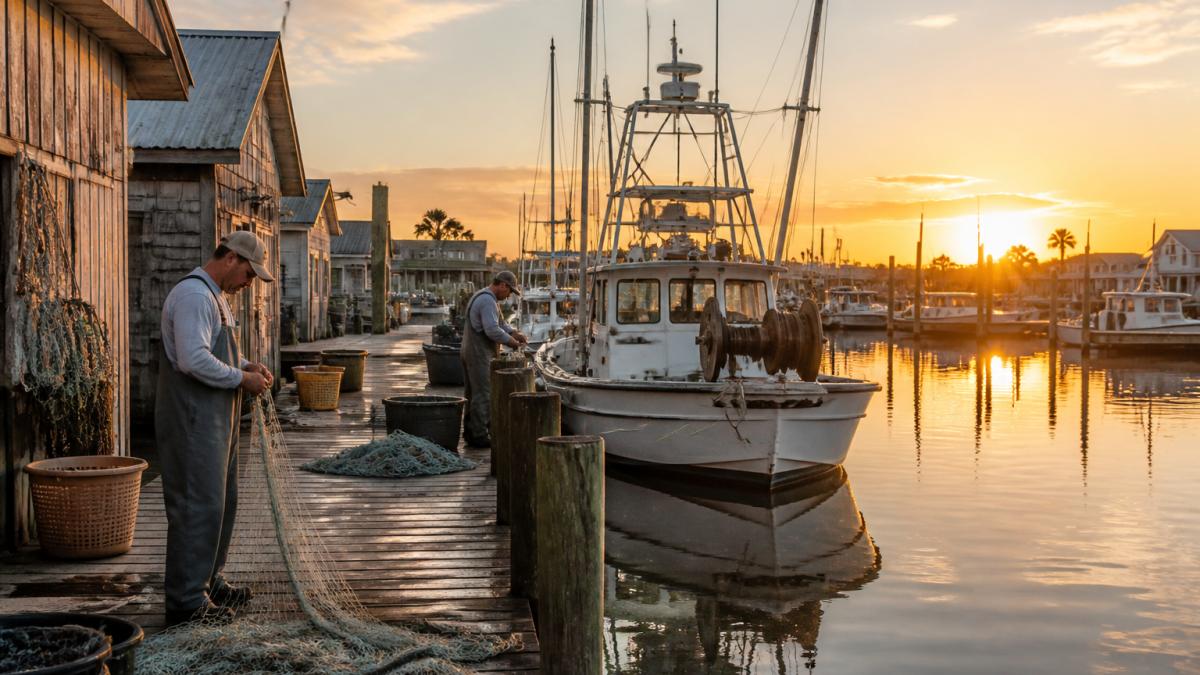
Local spending multiplies through the economy. When you purchase from a small coastal brand instead of a mass-market retailer, that revenue cycles back into the community multiple times. Shop owners buy supplies from local vendors. Employees spend wages at neighborhood restaurants and shops. The economic impact compounds in ways that big-box retailers simply cannot replicate. Small businesses also tend to source materials locally whenever possible.
Supporting small coastal businesses also preserves the identity and authenticity of waterfront communities. These brands aren't trying to appeal to everyone everywhere, they're rooted in a specific place, reflecting the culture, ecology, and character of their region. That specificity is exactly what makes them valuable. A brand inspired by redfish and tarpon tells a different story than generic fishing apparel. It represents a commitment to place, to the water, and to the people who live there.
The Real Difference: Benefits of Shopping Small Clothing Brands
Here's what most guides about sustainable fashion miss: shopping small clothing brands isn't just about feeling good. It's about getting better products. Small makers often have direct relationships with their manufacturers, which can mean they know how their clothes are made. They can often answer questions about materials, construction, and durability.
When you buy from small clothing brands, you're often getting better craftsmanship. These aren't items mass-produced in the millions. They're often made in smaller batches where quality control matters more. The SaltyGrown Women's USA Cotton Crop Top ($28.00) is a perfect example, made from premium cotton with double-needle stitching and tear-away labels for comfort. That level of detail doesn't happen at scale.

Small brands often respond to customer feedback. If someone reports an issue with fit or durability, the brand can hear about it directly and can adjust. This accountability can create incentive for continuous improvement.
Another major difference: transparency. Small coastal brands can often tell you where materials come from, how workers are treated, and what environmental practices they follow. With large retailers, that information can sometimes be less accessible.
Supporting Local Coastal Businesses Keeps Money in Your Community
Every dollar spent with a small coastal business has measurable impact. According to the American Independent Business Alliance research on local spending, money spent at local businesses circulates within the community 48% more than money spent at chains. That's not a small difference, it's nearly half again as much economic activity generated per transaction.
When you choose to support local coastal businesses, you're making a deliberate choice to strengthen the places you care about. Commercial fishermen depend on steady demand for quality gear. Coastal artisans rely on customers who understand the value of handcrafted work. Small retailers need foot traffic and online orders to survive against national chains.
The jobs created by small coastal businesses are often real, stable positions. These can be skilled positions held by people with deep knowledge of their craft. Supporting small brands can mean supporting skilled workers who take pride in their work.
Local businesses often invest back into their communities. They may sponsor youth fishing programs, support local charities, and hire from within the community. They are often invested in the long-term health of the place where they operate.
Quality and Craftsmanship You Can Actually See
The difference between mass-produced and crafted apparel shows up immediately when you hold the garment. Small coastal brands use better materials because they're not trying to hit a price point that requires cutting corners everywhere. The SaltyGrown Women's USA Fleece Hoodie ($40.00) uses 8.3 oz fleece with 100% ring spun cotton face, substantial enough to last years, not months. That's not an accident. It's a deliberate choice made by people who care about durability.

Craftsmanship means attention to details that most people never notice until they matter. Reinforced seams at stress points. Proper collar construction that doesn't fray. Drawcords that actually stay in place. The SaltyGrown Men's USA Tarpon Hoodie ($45.00) features split-stitched double-needle sewing on all seams and a twill neck tape, details that add durability without adding bulk or cost proportionally.
Small makers can sometimes experiment with materials and techniques. They may source organic cotton, test recycled polyester blends, or try new dyeing methods. This agility can lead to innovation that benefits customers.
The durability of small-brand clothing also means better value per wear. A $40 hoodie that lasts five years costs $8 per year. A $25 hoodie from a mass retailer that falls apart in a year costs $25 per year. The math is simple, but most shoppers focus only on the sticker price, not the actual cost of ownership.
UPF Fishing Shirts and Performance Apparel Built to Last
For anyone spending serious time on the water, UPF protection isn't optional, it's essential. The difference between a fishing shirt that delivers actual sun protection and one that just says it does matters for your health. Small coastal brands that specialize in fishing apparel often understand this.
The SaltyGrown Live Salty Hat ($35.00) delivers UPF 50+ sun protection with moisture-management and anti-microbial sweatband technology. That's not marketing language, it's functional engineering. The hat is made from 100% recycled polyester performance fabric, which means it handles salt water, sweat, and sun exposure without degrading. A standard baseball cap won't do that.
SaltyGrown Women's USA Cotton Crop Top →
Performance apparel from small coastal brands is often designed by people who understand fishing. They often know that standard cotton can degrade when exposed to salt water repeatedly. They understand that seams may need reinforcement in specific places. This knowledge can translate into products that work in real conditions.
| Feature | Standard Mass-Market Shirt | Small Coastal Brand Fishing Shirt |
|---|---|---|
| UPF Protection | Often unverified or minimal | Tested and specified (typically UPF 50+) |
| Material | Cotton blend that degrades in salt | Performance fabric engineered for salt exposure |
| Seam Construction | Single-needle stitching | Double-needle or reinforced at stress points |
| Durability | 1-2 seasons | 3-5+ seasons with proper care |
| Salt Resistance | Fades and weakens after months | Maintains integrity through repeated exposure |
The real test of performance apparel is what happens after six months of heavy use. Does the fabric hold up? Do the seams stay intact? Does the color stay true? Small brands that focus on fishing apparel can often answer these questions because they may get direct feedback about what works and what doesn't.
How to Choose Fishing Apparel That Works for Your Needs
Start by being honest about how you'll actually use the gear. Are you fishing a few times a month on weekends, or working commercially twelve hours a day? That distinction changes everything about what you need. Weekend warriors can get away with less rugged construction. Commercial fishermen need gear engineered for punishment.
Next, check the material specifics. Look for pre-shrunk fabrics so sizing stays consistent after washing. The SaltyGrown Women's Florida Lobster Cotton Short Sleeve Shirt ($26.00) uses pre-shrunk 100% ring-spun USA cotton with reactive dyeing for color that stays vibrant wash after wash. That level of specification tells you the brand understands the demands of coastal wear.
Consider fit carefully. Fishing apparel needs to move with you, not against you. A shirt that's too tight restricts casting motion. A shirt that's too loose catches the wind and creates drag. Small brands often offer detailed fit guides.
Finally, think about color and style in terms of function, not just aesthetics. Lighter colors reflect heat better in intense sun. Darker colors hide stains from salt spray and fish blood. Patterns break up your silhouette in the water. These aren't just style choices, they're practical decisions that affect how the gear performs.
Environmental Impact: Why Small Coastal Brands Do It Differently
Small coastal brands often have strong environmental commitments because they're directly connected to the ecosystems they operate in.
The Eco-Revive® Trucker Snapback Cap ($28.00) demonstrates this commitment. It's built from recycled polyester and organic cotton, with a recycled plastic snapback closure. Every component is chosen for sustainability. That's not greenwashing, it's a deliberate design choice that costs more than using virgin materials. Small brands often make these choices.
According to the Environmental Protection Agency's guidance on sustainable textiles, textile production is one of the most water-intensive industries globally. Small brands that prioritize recycled and organic materials can directly reduce that impact. They also tend to produce in smaller batches, which can mean less waste from overproduction and less inventory sitting in warehouses.
Small coastal brands also understand the direct connection between ocean health and their business. Pollution, overfishing, and habitat destruction threaten the ecosystems that inspire their products and support their communities. Many small brands actively support conservation efforts, marine research, and coastal restoration projects.
The supply chain transparency of small brands can also mean lower environmental impact from transportation. Materials and manufacturing are often kept closer together, which can reduce shipping distances.
Conclusion: The Real Value of Buying From Small Coastal Brands
Buying from small coastal brands isn't a sacrifice, it's a smarter choice. You get better quality, you support real people and real communities, and you're investing in businesses that actually care about the places they operate. The benefits of shopping small clothing brands go far beyond feeling good about your purchase.
The money stays in your community. The jobs created are skilled and stable. The products last longer because they're made by people who understand durability. The environmental impact is lower because the supply chains are shorter and the commitments are genuine. When you choose SaltyGrown, you're choosing performance apparel engineered by people who actually fish, combined with free U.S. shipping on orders of $100 or more and easy returns. Shop best sellers and experience the difference that coastal craftsmanship makes.
Frequently Asked Questions
What are the main benefits of buying from small coastal brands?
Buying from small coastal brands supports local jobs, keeps money in your community, and ensures you get quality craftsmanship. These businesses often use sustainable materials, offer transparent supply chains, and provide personalized customer service. Small coastal brands also typically invest in their local ecosystems and maintain authentic connections to the places they serve, creating products that genuinely reflect the coastal lifestyle rather than mass-produced generic alternatives.
Are UPF fishing shirts from small brands worth the investment?
Yes. UPF fishing shirts from small coastal brands offer sun protection tested to real standards, durability that handles salt water and daily wear, and construction details designed by people who actually fish. Unlike generic performance wear, these shirts are built for specific coastal conditions. Products like the SaltyGrown Live Salty Hat ($35.00) with UPF 50+ protection and moisture-management features prove small brands invest in functional design. You pay more upfront but get longer wear life and better protection.
How can you tell if a coastal brand is actually locally rooted and sustainable?
Look for specific details: materials sourcing (USA cotton, recycled polyester), facility certifications (SMETA audits, OEKO-TEX compliance), and transparent production information. Check if the brand's story connects to actual coastal places and practices. Small brands like SaltyGrown provide product details. Ask questions directly. Avoid vague claims like 'eco-friendly' without supporting certifications or material specifications.
What should I look for when choosing fishing apparel from small brands?
Prioritize UPF protection rating (50+ is standard for water), material durability (ring-spun cotton, performance blends), and construction quality (double-needle stitching, reinforced seams). Consider fit for your body type and activity level. Check if the brand offers detailed sizing information and easy returns, this matters when ordering online. For commercial fishing, verify the brand targets working professionals, not just weekend anglers. Review care instructions to ensure the apparel won't degrade in salt water or sun.